18 August 2026
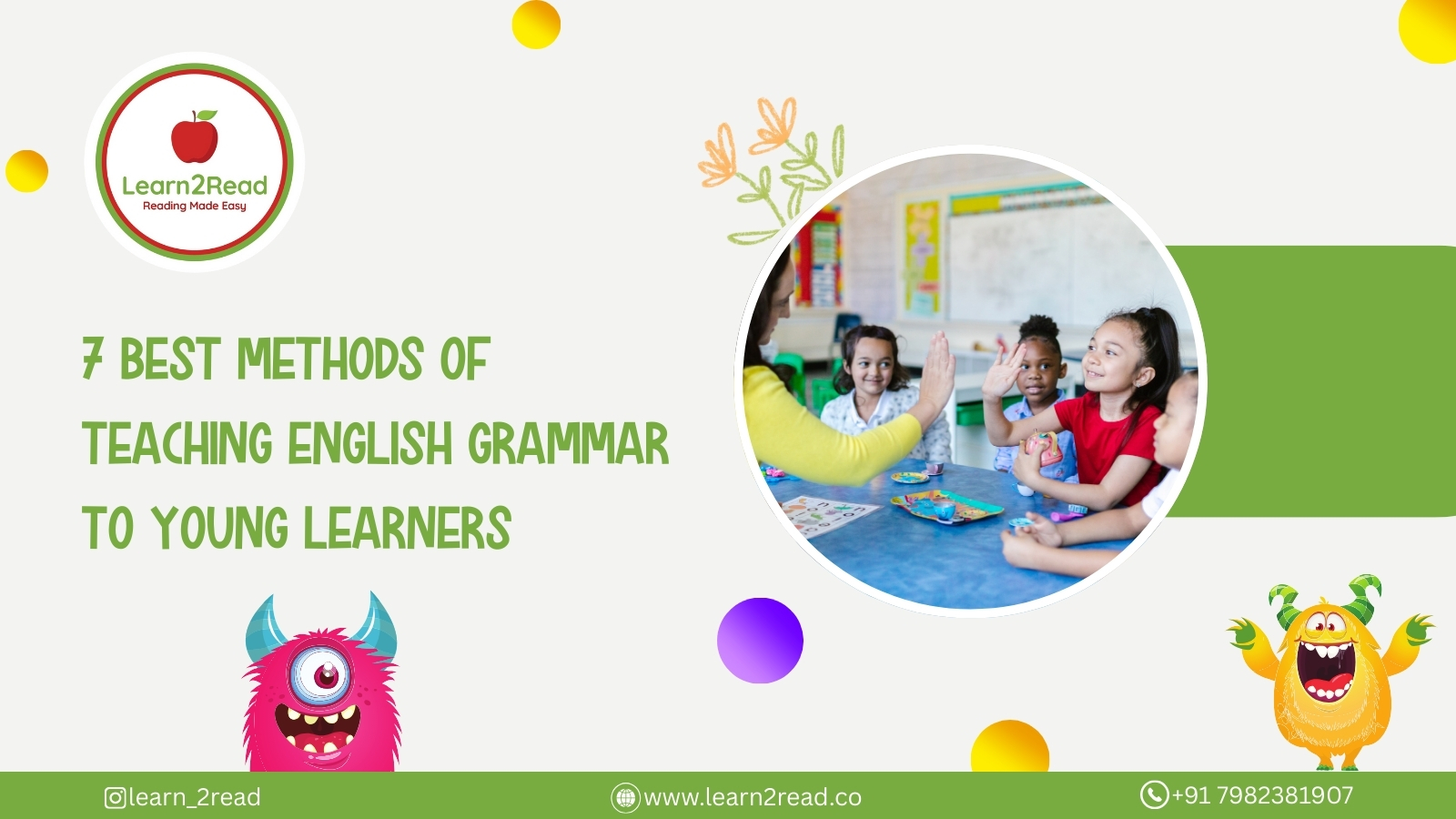
7 Best Methods of Teaching English Grammar to Young Learners
7 Best Methods of Teaching English Grammar to Young Learners
posted on : 29 December 2025
English grammar for young learners is a crucial skill. It builds a strong foundation for effective communication. However, children might find traditional teaching methods boring and lose interest.
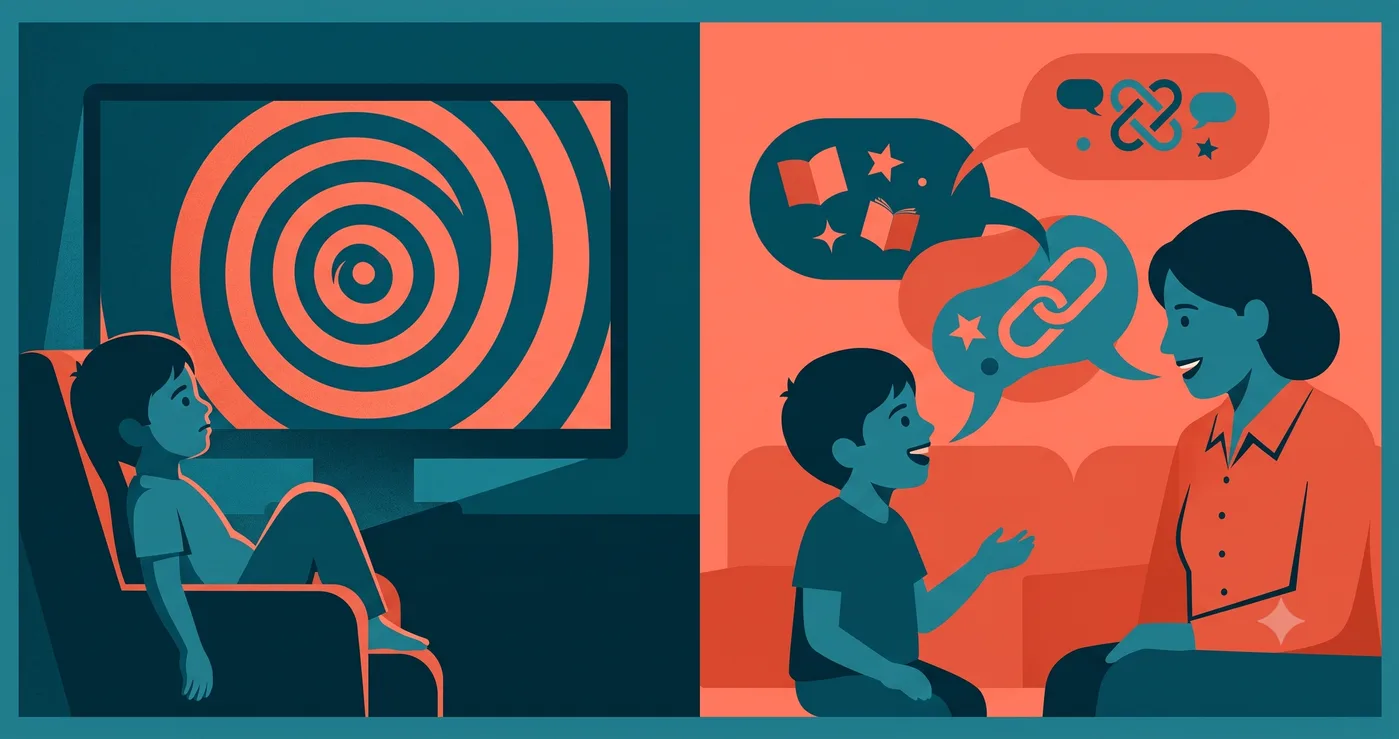
The key to teaching English grammar is to make it engaging and fun. Introducing enjoyable grammar games, storybooks, and visuals will be helpful.
Grammar helps to strengthen language skills, and hands-on activities will develop a strong understanding in a meaningful way.
In this blog, you’ll discover the 7 best methods of English grammar for beginners. Along with the practices, you can try with your children.
Importance of Teaching English Grammar to Young Learners
Teaching grammar to beginners may sound stressful. However, it’s important to nurture this skill at an early age. It not only lays a foundation for future literacy. But also boost confidence and reduce hesitation when interacting with others.
Early grammar instructions help your children with:
1. Express Ideas Clearly
Grammar helps in sentence structure and develops spelling skills. This eliminates the confusion and misinterpretation of texts. Thus, children can express their thoughts clearly without hesitation. And the receiver can understand the meaning of the text easily.
2. Enhances Reading Comprehension Skills
Strong grammar knowledge helps children understand stories and passages better. This enhances reading skills, and they perform well in all academic subjects.
3. Boost Writing Skills
Techniques for teaching English grammar are not limited to improving reading skills. But also boost writing skills. Children make fewer mistakes and construct meaningful sentences. This helps them frame error-free sentences and understand what they write.
4. Boost Confidence in Communication
Grammar is a powerful tool that helps boost confidence. Children develop reading, writing, and spelling skills, which help them communicate better. Gradually, they gain confidence in what they speak and write.
Unlike traditional teaching methods, children learn through real-life examples and engaging activities. Incorporate fun elements for teaching English grammar. Further, let’s dive into 7 methods you can try to build a strong grasp of grammar among children.
Discover 7 Effective Methods of Teaching English Grammar
Here are 7 proven techniques for teaching English grammar:
1. Incorporate Games for Teaching English Grammar
Learning shouldn’t be like a boring lesson. Incorporating games into learning is one of the best techniques to engage children. You can try these fun games to teach grammar:
- Grammar Bingo: Matching words and sentence structure with correct grammar rules.
- Verb Charades: Write a list of verbs on the paper, and each one gets the chance to act out while others guess the word.
- Board Games & Online Apps: You can play board games or use online resources to help your child learn grammar.
2. Incorporating Storytelling in Learning Grammar
Stories can be fun and the most interactive tool to teach grammar. You can narrate stories or give a passage to kids and ask them to spot grammar. Including nouns, pronouns, verbs, or adjectives. Children won’t find this an extra task, yet they’ll enjoy learning.
3. Using Songs and Rhymes
Children naturally remember tunes and enjoy rhyming. You can use catchy songs and rhymes to teach grammar. For example:
- Nursery Rhymes: Rhymes are best to reinforce sentence patterns and rhythms.
- Catchy Songs: You can highlight sentence structure, verb rules, and tenses through catchy songs.
- Catchy Melodies: Children can learn key grammar rules through repetitive melodies.
4. Introduce Engaging Hands-On Activities
You can use flashcards, color-coding, and charts to teach grammar rules. Using visuals also helps to boost cognitive skills and memory. Children can learn reading, spelling, verbs, vocabulary, and tenses.
5. Playing Role-Play Activities
Encourage children to use scripted dialogues or act out real-life scenarios using proper grammar. Switch to fun activities and motivate children to use grammar rules in everyday discussions. Over time, they’ll improve and make error-free sentences confidently.
6. Online Interactive Apps and Technologies
There are numerous resources to learn English grammar for young learners. You can choose the best app based on the requirements and the age of your child.
Using technology for good can be a good investment. Interactive quizzes and activities will keep them engaged and will track their progress.
You can also check out Learn2Read online resources that provide expert guidanc online resources that provide expert guidance on English grammar. It helps children learn grammar rules through enjoyable activities and books.
7. Provide Constructive Feedback and Celebrate Small Wins
Remember that nothing is achieved overnight. Likewise, teaching and learning grammar will take time. With consistency and proper motivation, your child will excel in the skill.
You should provide constructive feedback so that children don’t feel demotivated. As well as celebrate their small wins. Gradually, they’ll improve and be proficient in grammar rules.
How to Teach Grammar to Kids?
Teaching grammar to beginners is about making them understand how language works in everyday conversations. Children learn new concepts when they find them interesting. So, here are the best practices to teach grammar to young readers.
- Start by introducing simple grammar concepts step-by-step. Teach them the basics, including nouns, pronouns, and verbs. Make them familiar with the words they use daily.
- Start connecting grammar to real-life scenarios. For example, if they see a bird flying, then point out the bird as a noun and flying as a verb.
- Incorporate games, stories, and fun activities to make learning more enjoyable. Traditional textbook learning will make children lose interest in it.
- Give children short tasks to complete. You can ask them to use grammar in role-plays, sentence formation, or writing tasks.
- Be patient and positive throughout the process. Guide them gently and appreciate their efforts to keep their confidence high.
Hence, make learning a fun experience for your child with engaging activities.
Final Thoughts
English grammar for young learners should not be restricted to rigid grammar rules. Instead, introduce it as a world of patterns and playful activities. Grammar holds power that helps children express themselves with confidence.
Incorporating games, stories, and real-life experiences will make them understand language better. They’ll boost their communication and comprehension skills. After all, teaching English grammar to young learners is not limited to better language. But it supports children to share their thoughts with the world.
To make your child’s communication skills stronger, try Learn2Read today! With games, stories, and quizzes, we make learning fun and turn tricky grammar rules into fun learning.
Frequently Asked Questions (FAQs)
1. How to teach English grammar to kids?
You can start by introducing simple grammar concepts, using visuals and stories to engage your children. Moreover, you can use songs, rhymes, role-play activities, and online resources to make learning a fun experience.
2. Why is teaching English grammar to kids important?
Grammar helps children develop strong communication, comprehension, and spelling skills. All these help them express themselves clearly and with confidence.

Latest Posts

11 August 2026
Can AI Teach Your Child to Read? An Honest Answer for Parents (2026)
6 August 2026
The Science of Reading, Explained for Parents: Why Schools Are Changing How Kids Learn to Read
31 July 2026